

Nov 19th 2026
How Solar System Labels Help Future Maintenance Work
A solar installation may operate for decades, but keeping it running efficiently requires regular inspections and equipment maintenance. As large-scale solar projects grow more complex, technicians need reliable ways to address potential issues without unnecessary delays.
Solar system labels support future maintenance by clearly identifying equipment and enabling safer, more organized service procedures. These labels give teams practical information at the point of work, helping them navigate complex sites with fewer delays.
Make Equipment Identification Faster Across Large Sites
A commercial solar project may contain hundreds of strings, multiple inverters, combiner boxes, disconnects, and extensive electrical pathways. Without a consistent identification system, technicians can spend time confirming which component matches a drawing or work order. Clear labels connect physical equipment to the names and numbers that maintenance teams use in their records.
For example, a technician responding to an inverter alert needs to locate the correct unit before testing anything. Matching equipment identifiers help the technician move from the monitoring platform to the right enclosure without guesswork. That clarity becomes valuable when equipment looks nearly identical across rows or buildings.
Teams should establish naming conventions during project planning and apply them consistently. A label that uses one identifier while a site map uses another creates confusion. Consistent terminology makes future visits easier, even when a different contractor handles the work.
Support Safer Electrical Maintenance Procedures
Maintenance work often brings technicians close to energized equipment and multiple power sources. Clearly marked disconnects, electrical hazards, and system components help crews recognize important conditions before they begin a task. Labels complement training and electrical documentation; they never replace proper verification or safe work practices.
Solar arrays can continue producing electricity when sunlight reaches the modules, even when technicians shut down other parts of the installation. Accurate warnings help reinforce that distinction and direct attention to relevant electrical risks. Technicians must still follow site procedures and verify conditions before working.
Maintenance teams also benefit when crews place labels where workers can read them during normal equipment access. A warning hidden behind a conduit or obstructed by another enclosure offers little practical value. Thoughtful placement keeps important information visible when workers need it most.
Shorten Troubleshooting and Fault Isolation
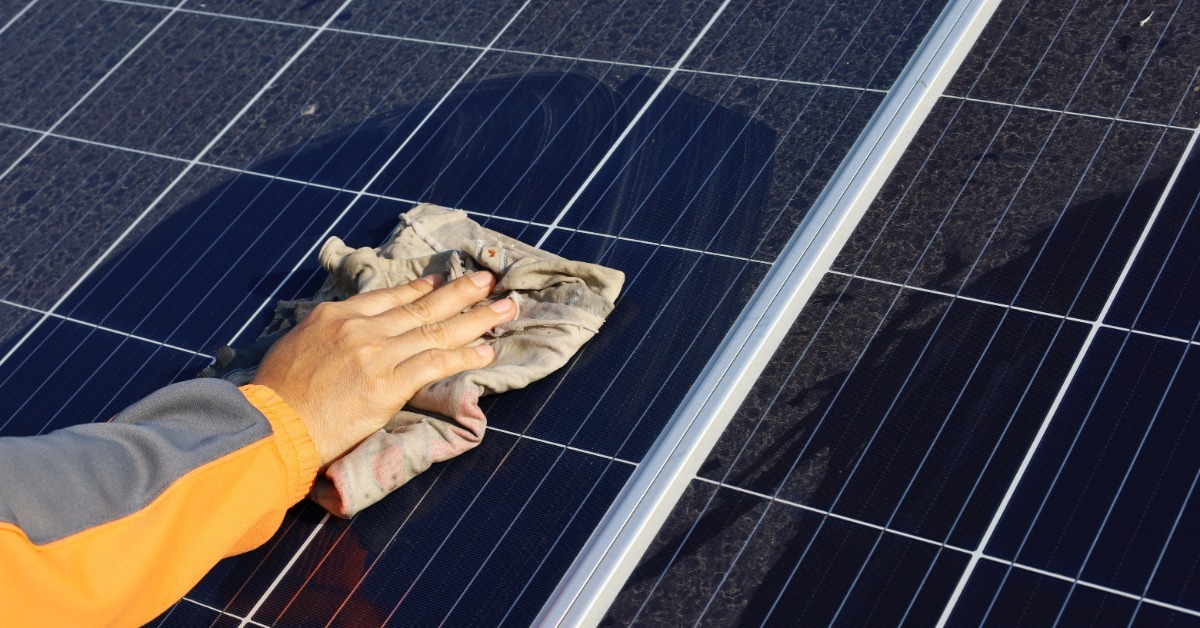
When production drops, maintenance teams need to narrow the problem quickly without overlooking nearby equipment. Clearly identified strings, circuits, and enclosures help technicians connect monitoring alerts with the correct field locations. They can then inspect the affected section and document their findings against a consistent equipment reference.
Imagine a site with several combiner boxes that look similar. If each box carries a distinct identifier that matches the system drawings, a technician can find the intended location more efficiently. That simple connection reduces time spent tracing equipment names and helps prevent confusion during follow-up visits.
Labels also improve communication between field crews and remote support teams. Instead of describing a component as “the box near the west fence,” a technician can reference its designated identifier. Precise references make service notes clearer and help the next technician continue the investigation.
Keep Maintenance Records Connected to Physical Equipment
A useful maintenance history depends on accurate equipment references. Inspection reports and replacement records should identify the same components that technicians encounter on site. When labels match those records, teams can track recurring issues without reconstructing the location of every previous repair.
A practical labeling plan should support the site's documentation process. Teams can use consistent identifiers for:
- Inverters and associated equipment
- Combiner boxes and circuit locations
- Disconnects and electrical enclosures
- Equipment referenced in inspection reports
- Components scheduled for replacement
These references work best when field labels, drawings, and digital records stay aligned after every significant system change.
Choose Materials That Remain Readable Outdoors
Solar equipment faces constant exposure to outdoor elements. Over time, damaged or faded identification can slow maintenance and create uncertainty about which component a label describes. Material selection therefore affects more than the appearance of a finished installation.
Teams should consider mounting surfaces, exposure conditions, expected service life, and cleaning practices before ordering labels. In locations that demand durable, clearly defined text, engraved solar labels may suit the project specifications. Other applications may call for different materials or marking methods, depending on the equipment and site requirements.
Even durable labels need occasional checks. Technicians should look for obstructions to the text that make it hard to read, such as fading or cracked surfaces. Replacing an unreadable label early helps preserve the identification system that future maintenance depends on.
Prepare for Equipment Replacements and System Upgrades
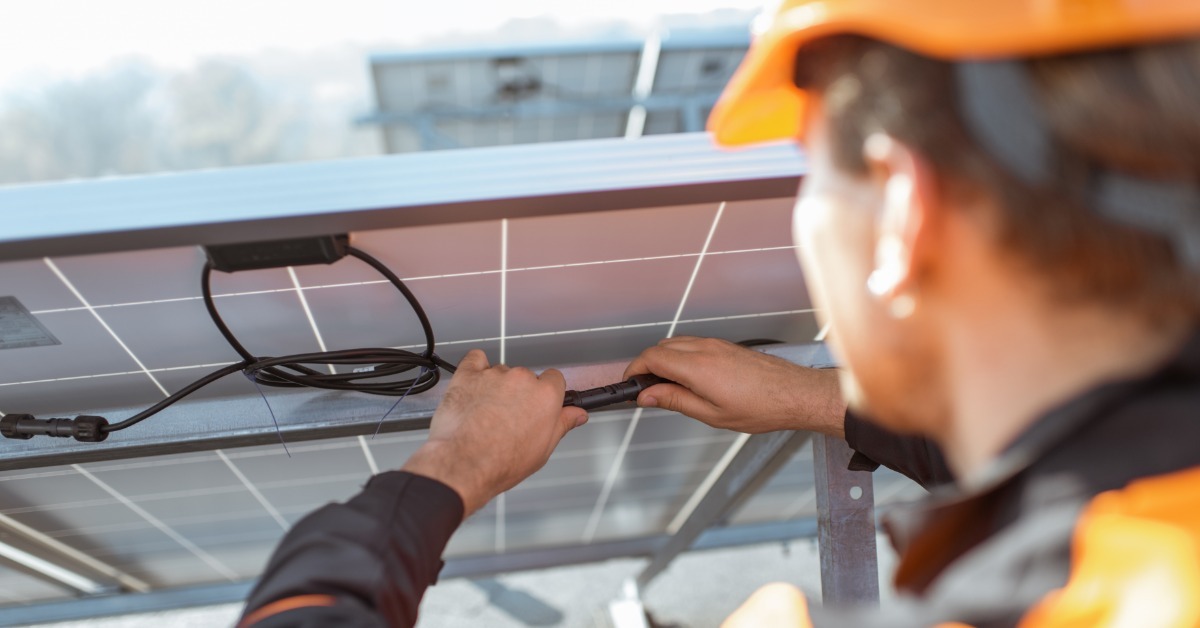
Solar installations rarely remain completely unchanged over time. Owners may replace an inverter, modify an electrical pathway, add monitoring equipment, or expand a section of the site. Each change can affect label accuracy and the records that support maintenance.
A replacement component may need a new identifier, updated electrical information, or revised warning language. Teams should compare the completed work with current drawings and applicable requirements before closing the job. Leaving outdated information in place can misdirect the next technician, even when the equipment itself functions correctly.
Planning also helps contractors avoid inconsistent additions. If the original system follows a clear naming structure, new equipment can fit into that structure without forcing crews to interpret several competing conventions. The result is a site that remains easier to navigate as it evolves.
Build Label Checks Into Routine Site Inspections
Labels deserve attention during regular maintenance, not only during initial installation or formal inspections. A quick visual review can reveal missing identifiers, damaged warnings, or changes that no longer match site records. Catching those problems during a scheduled visit often avoids a separate trip later.
Supervisors can add label condition and accuracy to existing inspection checklists. Technicians should record the location, photograph the issue, and note the exact wording or identifier that needs correction. This information helps the team order suitable replacements without relying on memory.
After installing replacement labels, crews should confirm readability, placement, and consistency with the updated documentation. That final check closes the loop between field work and the maintenance record. It also helps keep small identification problems from accumulating across a large facility.
Plan With Get Solar Labels
A clear solar system labeling system supports every stage of a solar project's service life, from the first inspection to later maintenance and equipment upgrades. Contractors and maintenance managers benefit when they treat identification as a long-term operational tool rather than a final installation detail. Reliable labels help crews locate equipment and maintain useful service histories.
Looking for reliable labels for your solar energy system? Get Solar Labels supplies solar labels and placards for projects ranging from individual installations to large commercial orders, including custom options.
For an upcoming project or a site that needs replacement identification, review the equipment list and required wording before ordering. Contact Get Solar Labels to discuss labels and placards that fit your project's maintenance needs.