
May 20th 2026
Top Causes of Solar Label Damage & How to Prevent Them
Solar labels play a critical role in safety and long-term system performance for large-scale solar projects. Installers and inspectors rely on clear, durable markings to identify hazards and system components. Damage to these labels creates risk and increases maintenance costs.
Understanding what causes solar label damage allows teams to prevent problems before they arise. Let’s break down the most common causes of solar label damage and how to address them effectively in real-world conditions.
UV Exposure and Prolonged Sunlight
Sunlight exposure is one of the most severe threats to label durability. Constant UV radiation breaks down inks and adhesives over time. Labels begin to fade or crack, which reduces readability and compliance. Installations in high-sun regions experience faster degradation without proper material selection.
Preventing UV damage starts with choosing UV-stable materials designed for outdoor use. Acrylic-based placards and UV-resistant laminates maintain clarity under constant exposure. Laser-engraved labels provide long-term legibility because they do not rely on printed ink. Proper material selection ensures labels remain readable for years without fading.
Extreme Temperature Fluctuations
Solar installations face wide temperature swings between day and night. Heat expansion and contraction weaken adhesives and cause materials to warp or peel. Cold temperatures can make certain label materials brittle and prone to cracking. These conditions accelerate failure when labels lack proper temperature ratings.
High-performance labels must withstand a wide operating range without losing adhesion or structure. Materials rated for extreme temperatures maintain flexibility and strength under stress. Installers should confirm temperature tolerances before selecting labeling products. Choosing the right material prevents premature failure in harsh climates.
Moisture, Rain, and Humidity
Water exposure creates long-term challenges for solar labeling systems. Rain, snow, and humidity can seep into poorly sealed labels and weaken adhesives. Over time, moisture causes peeling, bubbling, or complete detachment. Coastal and high-humidity regions significantly increase this risk.
Water-resistant materials and strong adhesive systems reduce the impact of moisture. Sealed, non-porous substrates prevent water intrusion and maintain structural integrity. Proper surface preparation during installation also plays a key role in long-term adhesion. Clean, dry surfaces ensure labels bond correctly from the start.
Chemical Exposure and Environmental Contaminants
Solar sites often face exposure to dust and airborne pollutants. Industrial environments may include oils or corrosive substances that degrade label materials. Even standard cleaning agents can damage low-quality labels over time. These factors reduce readability and shorten the label lifespan.
Chemical-resistant materials protect labels in demanding environments. Engraved or etched labels resist surface damage better than printed alternatives. Installers should evaluate site conditions before selecting label types. Matching materials to environmental risks ensures consistent performance.
Improper Installation Techniques
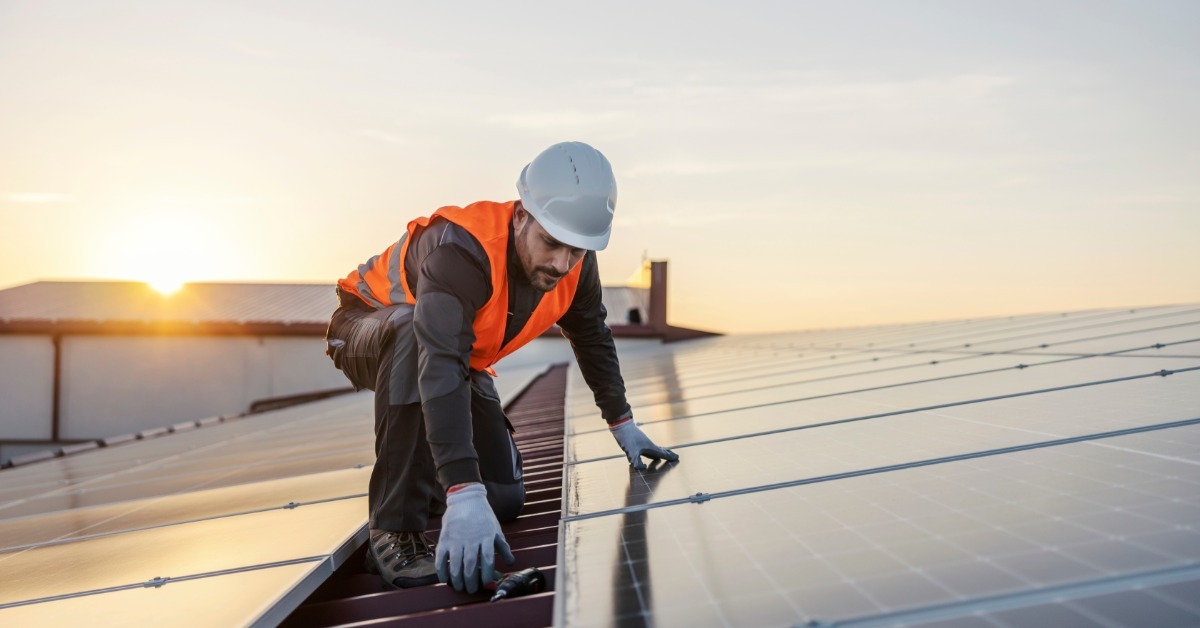
Installation errors often lead to early label failure. Applying labels to dirty, uneven, or wet surfaces immediately weakens adhesion. Misalignment or air bubbles create entry points for moisture and debris. These issues reduce both durability and professional appearance.
Following proper installation practices prevents these avoidable problems. Surfaces must remain clean and smooth before application. Installers should apply even pressure to eliminate air pockets and ensure full contact. Attention to detail during installation significantly extends label life.
Mechanical Wear and Physical Damage
Solar systems operate in environments with constant physical interaction. Maintenance crews and equipment can scratch or damage exposed labels. Wind-driven debris and dust can also erode surfaces over time. High-traffic areas face the greatest risk of mechanical wear.
Durable materials help labels withstand repeated contact and abrasion. Rigid placards provide better resistance than thin adhesive films. Strategic placement also reduces exposure to direct impact or friction. Protecting labels from unnecessary contact preserves readability and compliance.
Poor Material Selection
Not all labels meet the demands of solar installations. Low-cost materials often fail under environmental stress and require frequent replacement. Inconsistent quality leads to fading, peeling, or cracking within short timeframes. These failures increase long-term costs and create compliance risks.
Selecting high-quality materials solves this issue from the start. Professional-grade placards and labels offer consistent performance across environments. Reliable suppliers provide products tested for durability and compliance. Investing in quality reduces replacement cycles and supports long-term system reliability.
Key Prevention Strategies for Long-Term Performance
Preventing solar label damage requires a combination of durable material selection and environmental awareness. Teams that take a proactive approach reduce maintenance costs and avoid inspection delays.
Consistency across projects also improves overall safety and system clarity. The following strategies help ensure long-term label performance:
- Use UV-resistant and weather-rated materials for all outdoor labels
- Select temperature-rated products suitable for local climate conditions
- Apply labels only to clean, dry, and properly prepared surfaces
- Choose chemical-resistant materials for industrial or harsh environments
- Position labels away from high-contact or high-impact areas
- Use engraved or laser-etched placards for maximum durability
These steps create a reliable foundation for long-lasting solar labeling systems. Simple adjustments during planning and installation make a measurable difference over time.
Why Durability Matters for Compliance and Safety
Damaged labels create serious risks for both safety and compliance. Inspectors rely on clear markings to verify system integrity and code adherence. Faded or missing labels can delay approvals and require costly corrections. In emergency situations, unreadable labels increase hazards for first responders.
Durable labeling ensures consistent communication across the system lifecycle. Clear, legible markings help technicians identify components quickly and accurately. Long-lasting labels also reduce the need for replacements and service interruptions. Investing in durability supports both operational efficiency and safety standards.
Preventing Solar Label Damage
Solar label damage can result from a variety of issues. With a combination of environmental exposure and human error, solar labels can fail over time, leaving the solar project vulnerable. Addressing these risks early prevents costly replacements and compliance issues. A proactive approach ensures labeling systems remain effective for years.
Get Solar Labels focuses on delivering durable, high-quality solar labels that meet real-world demands. Choosing the right materials and following best practices protects both the system and the people who rely on it.
With premium solar labels at a reliable wholesale price, we can keep your project NEC-compliant and ready to withstand whatever the elements throw at it. Browse our catalog of solar labels to find what your large-scale solar project needs. For businesses that want to stock up, we also offer bulk quantity prices to ensure you have everything you need.