
Feb 16th 2026
How Solar Lighting Contributes to a Climate-Resilient Future
Climate resilience has moved from a future goal to a present requirement. Communities, utilities, and commercial operators now face stronger storms, higher temperatures, grid instability, and rising energy costs. Solar lighting plays a critical role in addressing these challenges by delivering reliable illumination without dependence on fossil fuels or vulnerable grid infrastructure.
Solar lighting systems support a climate-resilient future by operating independently, reducing emissions, and maintaining safety during disruptions. These systems now appear across utility-scale solar farms, commercial properties, transportation corridors, and emergency response zones. As climate pressures intensify, solar lighting provides both environmental and operational advantages that traditional lighting systems cannot match.
Understanding Climate Resilience in Energy Infrastructure
Climate resilience refers to the ability of energy systems to anticipate, withstand, recover from, and adapt to climate-related disruptions. Extreme heat, flooding, wildfires, and severe storms increasingly threaten centralized power grids and conventional lighting systems.
Traditional grid-tied lighting fails when transmission lines go down or substations flood. Diesel generators add emissions, fuel logistics, and maintenance challenges during emergencies. Solar lighting avoids these vulnerabilities by generating power on-site and storing energy locally.
For large-scale solar energy projects, climate resilience requires more than power generation alone. Lighting systems must support safe access, maintenance visibility, perimeter security, and emergency operations under adverse conditions. Solar lighting meets these needs without increasing grid load or carbon output.
Solar Lighting as a Decentralized Energy Solution
Decentralization strengthens resilience. Solar lighting operates as a self-contained unit that includes photovoltaic panels, batteries, controllers, and LED fixtures. Each unit functions independently, which eliminates single points of failure.
When storms or heatwaves disrupt centralized grids, solar lighting continues operating. This reliability proves especially valuable for:
- Solar farms located in remote or wildfire-prone areas
- Industrial sites exposed to flooding or high winds
- Transportation corridors requiring consistent visibility
- Emergency shelters and evacuation routes
Decentralized solar lighting allows infrastructure planners to distribute risk while maintaining essential illumination. This design aligns with modern resilience strategies that favor redundancy and modular systems.
Reducing Carbon Emissions While Improving Reliability
Climate resilience and emissions reduction work together. Solar lighting eliminates the ongoing emissions associated with grid-powered or fuel-based lighting systems. Each installation reduces demand on fossil-fuel-heavy grids, particularly during peak usage periods.
LED technology further enhances efficiency by delivering high lumen output with minimal energy consumption. When combined with solar generation, LED fixtures provide extended runtime even on cloudy days or during shorter daylight periods.
For large-scale solar energy systems, emission reductions extend beyond sustainability metrics. Lower emissions support regulatory compliance, corporate environmental goals, and community acceptance of infrastructure projects. Solar lighting delivers measurable environmental value while improving operational reliability.
Supporting Safety and Security During Extreme Weather Events
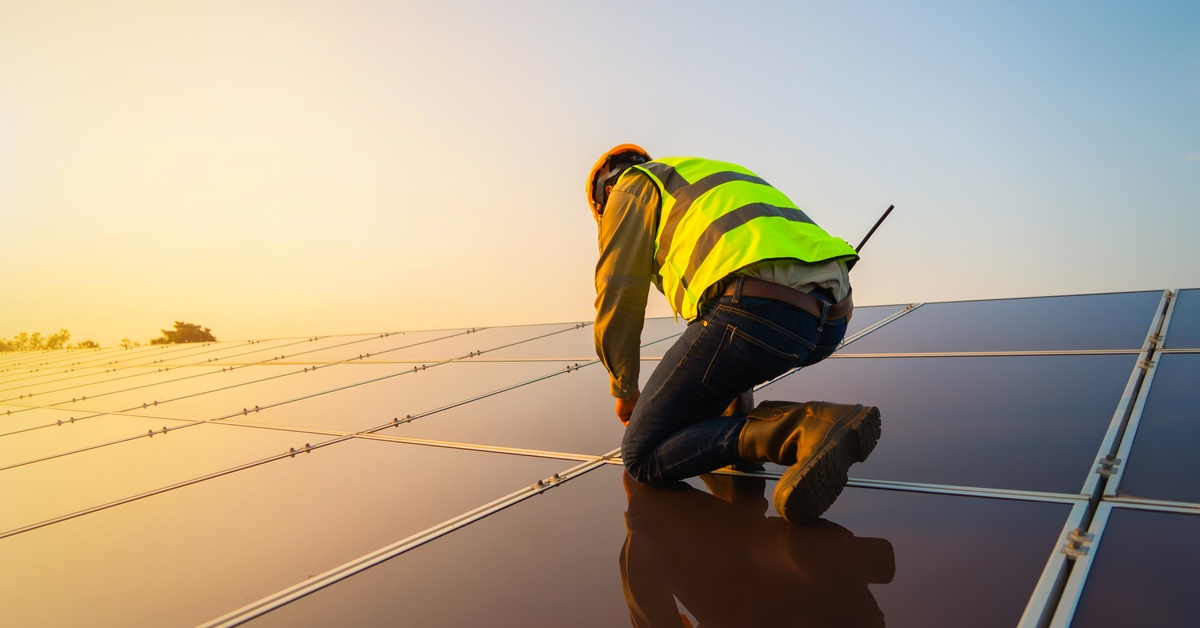
Safety becomes the top priority during extreme weather. Floods, hurricanes, heatwaves, and wildfires create hazardous conditions for workers, first responders, and nearby communities. Solar lighting improves situational awareness when conventional systems fail.
Well-designed solar lighting systems support:
- Emergency access roads and perimeter zones
- Equipment yards and inverter stations
- Maintenance pathways and walkways
- Security checkpoints and fencing
Reliable illumination reduces accidents, deters unauthorized access, and supports rapid response during outages. For utility-scale projects, these safety benefits directly impact uptime, insurance risk, and regulatory scrutiny.
Solar lighting systems also integrate with labeling and identification strategies that guide responders during emergencies. Clear visibility of electrical infrastructure reduces confusion and speeds response times.
Strengthening Grid Independence for Critical Facilities
Grid independence represents a cornerstone of climate resilience. Solar lighting contributes to this goal by operating entirely outside the utility grid. Facilities no longer rely on external power sources for essential lighting functions.
Critical facilities such as hospitals, water treatment plants, data centers, and emergency operations centers benefit from solar lighting in several ways. These systems reduce backup generator loads, extend fuel reserves, and ensure continuous illumination during prolonged outages.
In large commercial and industrial environments, grid-independent lighting supports continuity planning. Solar lighting maintains visibility across sites even when primary power systems experience failure or overload.
Enhancing Durability and Performance in Harsh Environments
Climate-resilient infrastructure requires materials and designs that withstand extreme conditions. Solar lighting manufacturers now engineer systems to operate in high heat, freezing temperatures, heavy rain, and corrosive environments.
Key durability features include:
- Sealed battery enclosures that resist moisture and dust
- Corrosion-resistant mounting hardware
- UV-stable components that prevent degradation
- Smart controllers that optimize battery performance
These features extend system lifespan while reducing maintenance requirements. For large-scale projects, durability directly affects the total cost of ownership and long-term reliability.
Solar lighting systems designed for harsh environments continue delivering consistent performance even as climate conditions become more unpredictable.
Supporting Smarter Energy Planning and Compliance
Climate resilience requires proactive planning rather than reactive fixes. Solar lighting supports smarter energy planning by reducing infrastructure complexity and long-term operational risk.
Planners and engineers increasingly select solar lighting for projects that must meet environmental, safety, and zoning requirements. These systems reduce trenching, wiring, and permitting challenges associated with grid-tied lighting.
Solar lighting also complements compliance efforts by improving visibility around labeled equipment and restricted zones. Clear lighting enhances the effectiveness of safety signage, inspection markers, and system identifiers across solar installations. For companies operating across multiple jurisdictions, solar lighting simplifies compliance by delivering consistent performance without dependence on local grid conditions.
Economic Benefits That Reinforce Climate Resilience
Financial resilience strengthens climate resilience. Solar lighting reduces operational expenses by eliminating electricity bills, fuel costs, and extensive maintenance requirements.
Upfront installation costs often balance out over the long term through savings and reduced downtime. Solar lighting also protects against energy price volatility, which continues to rise as climate pressures strain traditional grids.
For commercial and utility-scale operators, these economic advantages support reinvestment into additional resilience measures. Solar lighting delivers predictable performance and budgeting stability over its operational lifespan.
The Long-Term Role of Solar Lighting in a Changing Climate
Climate models predict continued increases in extreme weather events and infrastructure stress. Solar lighting addresses these challenges by combining sustainability, reliability, and safety into a single solution.
As solar technology advances, lighting systems will continue improving in efficiency, storage capacity, and smart controls. These advancements will further enhance resilience across industries and communities.
Solar lighting no longer serves as a supplemental feature. It now functions as a core component of climate-resilient infrastructure strategies that prioritize independence, durability, and environmental responsibility.
Building a Climate-Resilient Future With Smarter Lighting
Solar lighting contributes directly to a climate-resilient future by reducing emissions, improving safety, and strengthening infrastructure independence. These systems perform reliably when final lighting fails, which makes them essential for modern energy planning.
For large-scale solar energy projects and commercial facilities, solar lighting supports safer operations, regulatory compliance, and long-term cost control. If you plan to use solar lighting, you also need durable solar placards that identify all system components. This way, anyone on the site can remain safe at all times. Visit Get Solar Label to find the best options for your business.
Get Solar Labels provides durable, regulation-ready solar labels and placards designed to meet the real-world demands of commercial and utility-scale solar projects. We specialize in clear, long-lasting identification solutions that support safety, compliance, and efficient inspections across a wide range of system sizes and environments.