

May 11th 2026
Homeowner Guide: Solar System Labels Explained
Solar system labels play a critical role in how residential solar installations operate safely and efficiently. Homeowners often focus on panels and energy savings, but labeling ensures the system communicates essential information clearly.
Every label provides guidance for installers, inspectors, and emergency responders who interact with the system. Clear labeling supports compliance and reduces risks associated with electrical systems.
Labels help anyone working on the system understand how electricity flows through the property. Without proper labeling, confusion can lead to delays, safety hazards, or failed inspections. Homeowners can follow along to earn the explanations of solar system labels and where they belong in a home energy system.
Why Solar Labels Matter for Safety and Compliance
Solar installations must comply with strict codes governing electrical systems in residential properties. Labels act as a direct link between those codes and real-world installations. Inspectors rely on them to confirm that systems meet national and local requirements, which helps the system pass inspections.
Safety remains the top priority when working with solar energy systems. Labels warn about live circuits, high voltage, and shutdown procedures. Emergency responders depend on accurate labeling to act quickly during fires or outages. Clear communication through labels protects both property and lives.
Key Types of Solar Labels Homeowners Should Know
Several types of labels appear across a residential solar system. Each serves a specific purpose and must meet precise standards for durability and visibility. Understanding these categories helps homeowners recognize what their system requires. It also helps them verify that installers complete the job correctly.
Common label types include warning labels, informational labels, and identification tags. Warning labels highlight hazards such as electrical shock or the presence of multiple power sources. Informational labels provide system details like voltage and current ratings. Identification tags mark components such as disconnects and inverters.
Where Solar Labels Appear on Your System
Solar labels do not appear randomly across a property. Installers place them in strategic locations where they provide immediate clarity. These placements follow guidelines outlined in electrical codes and inspection standards. Homeowners should expect to see labels in consistent, visible areas.
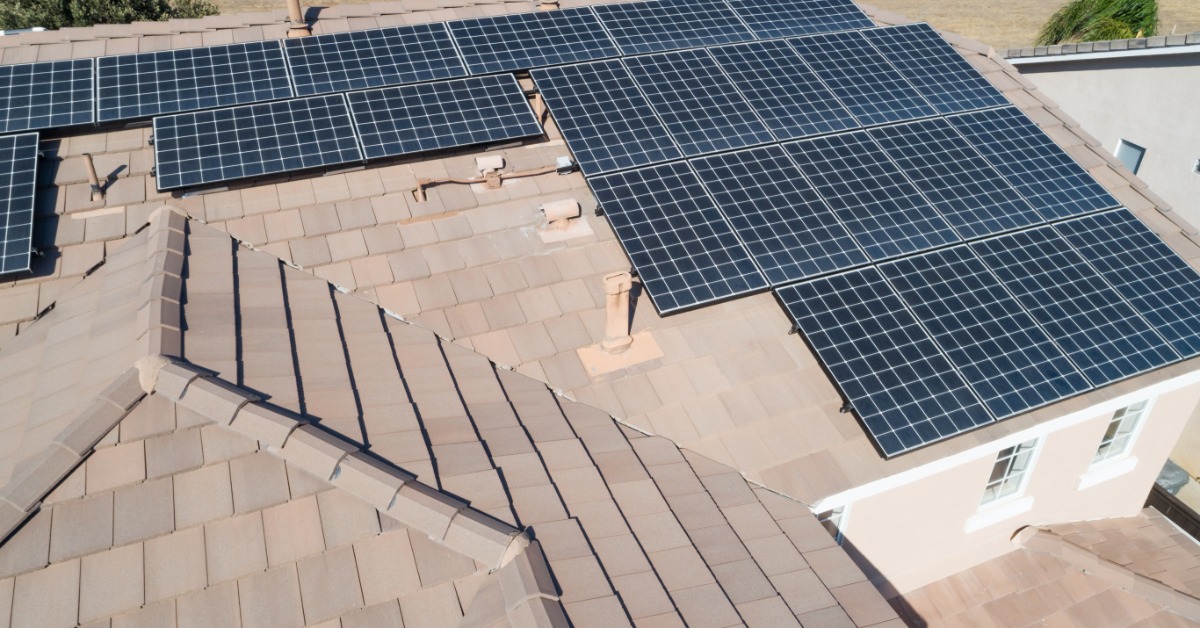
Labels often appear near the main service panel, inverter, and disconnect switches. They also appear on conduits and junction boxes that carry electrical current. Roof-mounted systems include labels near access points or pathways. Proper placement ensures that anyone interacting with the system can quickly find critical information.
How Labels Support Solar Inspections
Inspectors evaluate solar systems based on strict compliance criteria. Labels serve as one of the first checkpoints during an inspection process. They provide quick confirmation that the installer followed code requirements. Missing or incorrect labels often lead to inspection failures.
Clear labeling speeds up inspections and reduces back-and-forth corrections. Inspectors rely on accurate information to verify system configuration and safety measures. Homeowners benefit from faster approvals and fewer delays. A well-labeled system reflects professionalism and attention to detail.
Materials and Durability Standards
Solar panels must withstand harsh outdoor conditions for extended periods. Exposure to the elements can degrade low-quality materials. Durable labels ensure that critical information remains legible throughout the system’s lifespan. High-quality materials won’t fade or peel like cheaper, low-quality options.
Manufacturers design labels using UV-resistant inks and weatherproof substrates. Adhesives must hold firmly on metal, plastic, and other surfaces. Engraved options provide long-term durability for demanding environments. These standards ensure labels remain effective for years without replacement.
Common Labeling Requirements for Homeowners
Homeowners do not need to memorize electrical codes, but they should understand basic labeling expectations. Installers must follow national standards such as the National Electrical Code (NEC). Local jurisdictions may also add specific requirements that affect labeling. Awareness helps homeowners ask informed questions during installation.
Key labeling requirements often include:
- Clearly marked disconnect switches
- Visible warning labels for multiple power sources
- Accurate system voltage and current information
- Permanent labels that resist weather exposure
- Proper spacing and font size for readability
These requirements ensure consistency across residential solar systems. They also create a safer environment for anyone who interacts with the installation.
The Role of Customization in Solar Labels
Not all solar systems follow identical designs, especially in residential settings. Custom labeling ensures that each system reflects its unique configuration. Installers may require specific wording, sizes, or materials to meet project needs. Custom solutions improve clarity and compliance.
Get Solar Labels specializes in producing tailored labeling solutions for both small and large projects. Our ability to handle custom orders supports homeowners and contractors alike.
How Proper Labeling Impacts Long-Term Maintenance
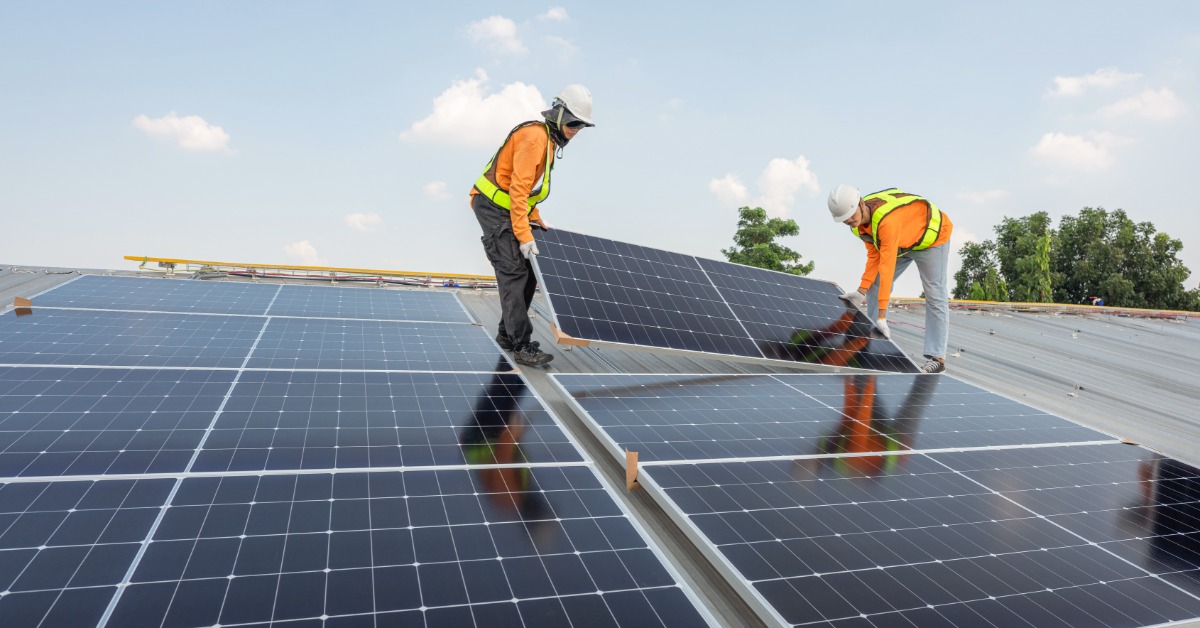
Solar systems require periodic maintenance to operate efficiently. Labels guide technicians as they examine various components. This clearly displayed information reduces guesswork and speeds up service work. Efficient labels lower maintenance costs over time.
Accurate labeling also helps identify system changes or upgrades. Technicians can quickly trace wiring paths and understand system design. This clarity reduces the risk of errors during maintenance. Homeowners benefit from reliable performance and fewer disruptions.
Avoiding Common Labeling Mistakes
Some installations face issues due to simple labeling mistakes. Missing labels, incorrect wording, or poor placement can cause problems. These issues often surface during inspections or maintenance visits. Avoiding them requires attention to detail during installation.
Installers must follow exact wording requirements for specific labels. They must also place labels in visible, accessible locations. Using low-quality materials can lead to fading or damage over time. Homeowners should verify that installers use durable, compliant labeling solutions.
Choosing the Right Label Provider
Selecting the right label provider ensures quality and compliance from the start. Homeowners and contractors benefit from working with experienced suppliers. A reliable provider understands industry standards and evolving code requirements. This expertise reduces the risk of costly mistakes.
Get Solar Labels offers high-quality products designed for durability and compliance. We focus on solar system labeling that supports both residential and commercial projects.
Our fast delivery and consistent quality make us a trusted partner for all of your solar compliance needs. Homeowners who work with us gain confidence knowing their system meets professional standards.
Protecting Your Home and Solar Energy System
Solar system labels may seem like a small detail, but they play a major role in system performance and safety. They connect technical requirements with real-world usability across the installation. Homeowners who understand solar system labeling gain more control over their solar investment.
A properly labeled system ensures compliance and simplifies future work. It also helps systems pass inspections without delays or complications. Working with experienced providers ensures high-quality results from the start.
Solar system placards provide essential information that keeps systems compliant and easy to manage. Their role extends beyond installation into long-term system reliability. Choosing the right labeling approach ensures lasting value from a solar investment. Browse Get Solar Labels placards and labels to find durable options that work for your solar system.