
Aug 20th 2026
Common Mistakes When Ordering Solar PV Labels
Ordering solar PV labels may seem like a small part of a large-scale solar installation, but incorrect choices can create significant problems later. Contractors need labels that match the project and requirements of the authority having jurisdiction (AHJ).
Avoiding common solar PV labels ordering mistakes helps teams reduce unnecessary replacements and installation delays. Understanding what to check before placing an order helps contractors choose products that suit actual field conditions rather than making assumptions.
1. Ordering Before Confirming the Applicable Code Requirements
One of the most avoidable mistakes involves ordering labels before confirming which requirements govern the project. States and local jurisdictions do not necessarily adopt the same edition of the National Electrical Code (NEC) at the same time. The AHJ may also enforce local requirements that affect label wording, material, or placement. Contractors should confirm these details before purchasing an entire labeling package.
However, the installer still needs to identify the code edition adopted by the applicable jurisdiction. A familiar label from a previous project may not automatically suit the next installation. Checking first can prevent an otherwise avoidable correction during inspection.
2. Choosing Labels Without Reviewing the System Design
Large-scale PV installations contain numerous electrical components, circuits, disconnects, breakers, raceways, and points of interconnection. Ordering a generic assortment without reviewing project drawings can leave crews with missing labels or unnecessary extras. Complex commercial systems may also require variable information or project-specific identification that standard products cannot cover.
Teams can review drawings, equipment schedules, site maps, and project specifications before calculating quantities. This process helps identify locations that require equipment identification, hazard communication, disconnect markings, or other project-specific information.
It also gives purchasing teams a more reliable quantity estimate for large orders. Careful planning becomes especially valuable when a site contains repeated equipment groups across a large footprint.
3. Using the Wrong Label Material for the Environment
Solar installations expose labels to demanding conditions, especially when equipment remains outdoors throughout the year. Sunlight and other environmental factors can reduce the useful life of materials that lack suitable outdoor durability.
A label that looks clear during installation offers little value if its lettering becomes difficult to read later. Buyers should consider the mounting location and expected exposure before selecting a material.
Selecting materials according to actual field conditions supports long-term legibility. It also reduces the likelihood that crews will need to replace deteriorated identification prematurely.
4. Assuming Standard and Reflective Labels Are Interchangeable
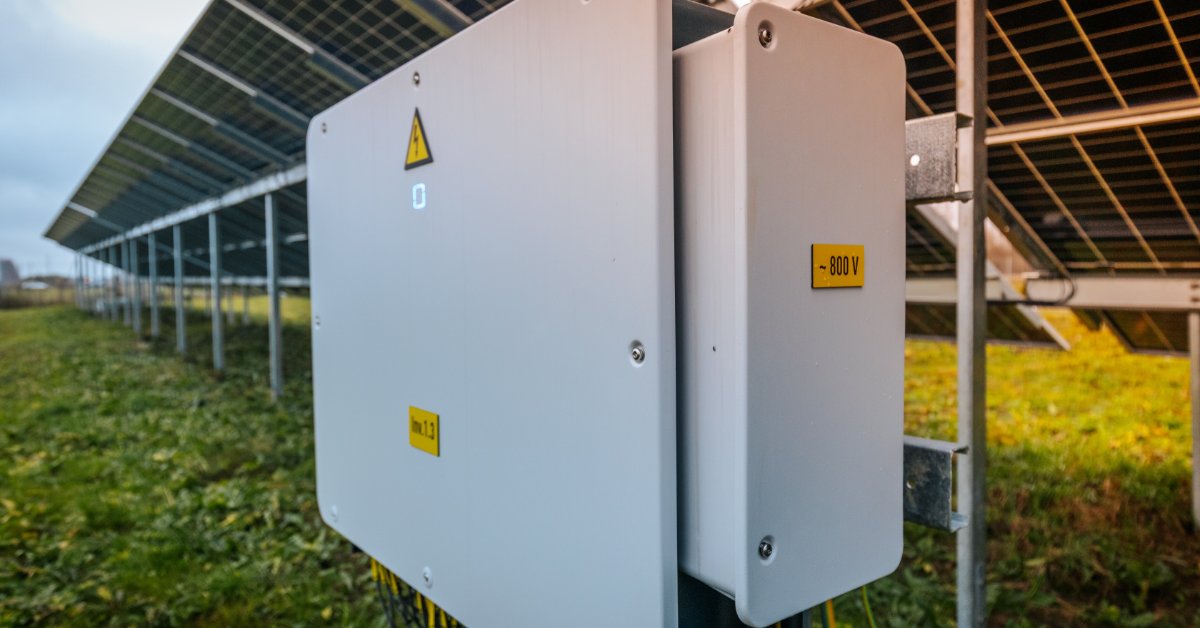
While standard and reflective products might seem similar, they serve different requirements, so contractors should not choose between them solely by preference. Some jurisdictions may require reflective markings for particular PV conduit and raceway applications.
Reflective material can also make identification easier under low-light conditions when visibility matters to emergency personnel. Buyers should verify the project's requirements before placing a large order. Contractors should confirm any fire authority requirements with the appropriate AHJ. A short verification during procurement can prevent costly changes after installation.
5. Submitting Incorrect Custom Label Information
Custom labeling gives contractors flexibility, but it also makes accurate ordering information especially important. Incorrect wording or layout instructions can result in products that crews cannot use as intended. The risk grows on commercial projects that contain many custom or variable-data labels. Teams should treat label data with the same attention they give other project documentation.
Before submitting custom information, contractors should verify several important details:
- Confirm exact wording against approved project documents.
- Check equipment names, numbers, and circuit identifiers.
- Verify electrical values that will appear on labels.
- Confirm dimensions and available mounting space.
- Review quantities for repeated equipment groups.
- Check spelling, abbreviations, and project-specific terminology.
- Verify custom artwork or layout details before approval.
Careful review before production helps teams avoid ordering mistakes that could multiply across hundreds or thousands of pieces.
6. Ordering the Wrong Quantity for a Large Project
Quantity errors can disrupt installation schedules even when every individual label has the correct design. Ordering too few forces the project team to place additional orders, while excessive quantities can increase material costs and create unnecessary inventory. Large-scale solar sites make accurate counts particularly important because repeated components can require substantial numbers of identical markings. Teams should build quantities from project documentation rather than rough estimates.
Purchasing teams should also account for realistic installation needs when finalizing counts. Large projects may benefit from organizing quantities by equipment type, array section, work area, or installation phase. This approach makes it easier to verify whether the order matches the construction plan.
7. Overlooking Label Size, Readability, and Mounting Space
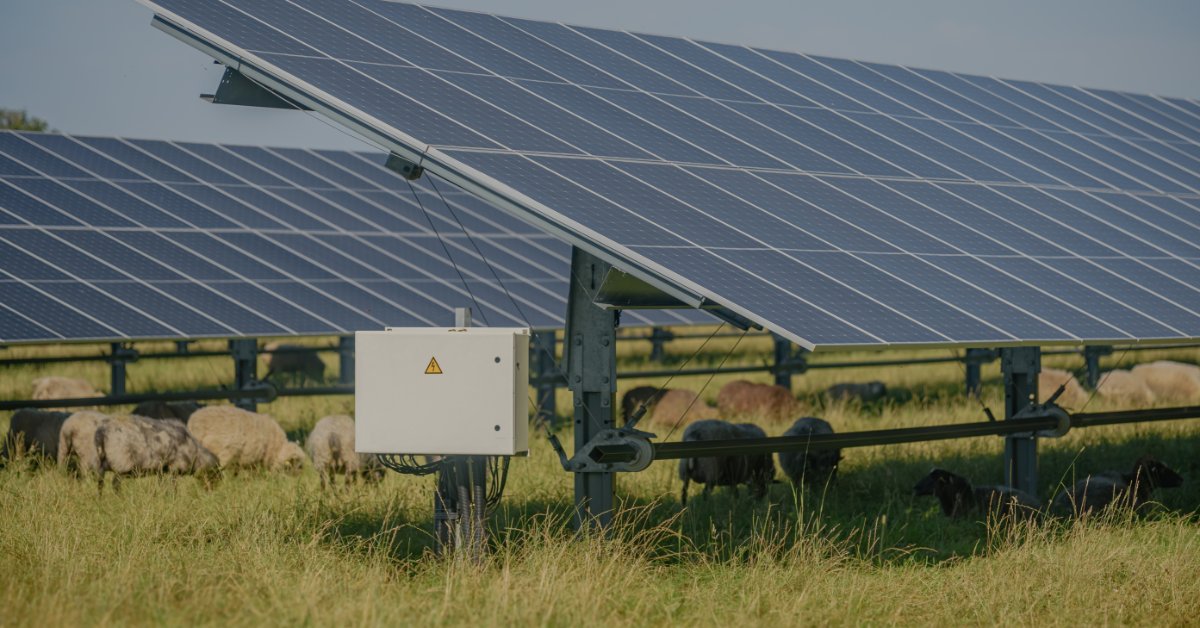
Correct wording alone does not make a label appropriate for every location. Equipment surfaces vary considerably, and a label that fits one enclosure may interfere with handles, vents, existing markings, or other components on another. Contractors should evaluate available mounting areas before ordering custom dimensions. They should also consider whether workers and emergency personnel can easily read the finished identification.
This planning becomes especially important for engraved placards, directories, and labels containing multiple lines of information. Trying to fit excessive wording into a small space can undermine readability even when the information itself remains accurate.
A better approach matches the amount of information with a practical label or placard size. Field measurements and equipment specifications can help teams make that decision before production begins.
8. Forgetting Project-Specific and AHJ Requirements
NEC requirements provide an essential foundation, but they may not represent every labeling requirement for a specific project. Utilities, fire departments, permitting offices, owners, or other authorities may establish additional specifications that contractors need to address. Some installations may require project-specific placards.
Assuming one universal label package works everywhere can create gaps and lead to delays while waiting for the correct labels. Teams should resolve unusual specifications before they reach the installation phase of the project.
Order Solar PV Labels With the Project in Mind
Avoiding common mistakes with solar PV label ordering starts with accurate project information rather than assumptions. Contractors should verify each aspect of the labels before submitting an order. Those checks become increasingly important as installations grow larger and labeling requirements become more complex. A structured procurement process helps crews receive the right identification products when they need them.
Get Solar Labels provides solar warning labels and placards for customers ranging from individual inspection projects to large commercial installations requiring extensive custom production. Our available options include NEC-focused PV labels, engraved placards, and commercial labeling solutions. Contractors can review project requirements carefully and contact us when a standard product does not address a specific labeling need.