
May 29th 2026
2026 NEC Updates: Are Your Solar Placards Compliant?
Solar projects require precise planning and ongoing maintenance, since each year brings new upgrade requirements. In 2026, NEC updated its standards, so all solar developers have to ask themselves, “Are our solar placards compliant?”
The 2026 National Electrical Code introduces several updates that affect solar installations across commercial and utility-scale projects. Contractors and solar developers now face stricter expectations for system identification and long-term label durability with these updates.
Clear and accurate solar placards help crews maintain compliance while supporting safer maintenance and inspection processes. Companies that update labeling strategies early can avoid delays and expensive field corrections.
Why the 2026 NEC Updates Matter for Solar Projects
The NEC continues to evolve as solar technology and distributed energy resources expand across the country. Inspectors now expect clearer communication on different aspects of solar energy systems, including shutdown procedures and equipment identification.
Solar placards support that goal by helping technicians and emergency responders quickly identify critical system information. Large-scale solar projects now require stronger coordination between engineering teams, procurement managers, and labeling providers to maintain compliance from design through commissioning.
New Labeling Expectations Under the 2026 NEC
The 2026 NEC updates place a stronger focus on visibility and environmental durability for photovoltaic system labeling. Inspectors increasingly review whether solar placards remain legible under extreme weather and long-term operational conditions on solar farms.
Many jurisdictions also expect contractors to place labels in standardized locations to support rapid system identification during emergency response. These changes encourage project teams to order durable engraved placards and professionally manufactured labels instead of relying on temporary or low-quality alternatives.
How Solar Placards Support Safer System Maintenance
Technicians rely on accurate labeling during maintenance, troubleshooting, and emergency shutdown procedures across utility-scale solar installations. A clearly marked disconnect or warning placard helps crews identify energized components without wasting valuable time during critical service work.
Consistent labeling also reduces confusion when multiple contractors or operations teams work on the same site over several years. Strong compliance practices protect both personnel safety and long-term system performance on large commercial solar projects.

Key Areas Where Contractors Need Updated Solar Labels
The 2026 NEC updates affect multiple areas across commercial photovoltaic and battery storage systems. Contractors should review every labeling location carefully before scheduling final inspections or energization activities. Updated solar placards may apply to:
- Rapid shutdown equipment
- DC disconnects and combiner boxes
- Battery energy storage systems
- Inverter warning signage
- Service entrance identification
- Arc flash and shock hazard notices
- Emergency shutdown procedures
- Equipment operating voltage markings
A comprehensive labeling review helps project managers avoid overlooked compliance gaps during the final inspection stage. Early coordination between engineering teams and labeling suppliers also helps prevent shipping delays and costly onsite corrections.
Common Compliance Problems That Trigger Inspection Delays
Many commercial solar projects encounter inspection issues because contractors overlook small labeling details during installation. Inspectors often flag missing placards, incorrect wording, poor placement, or faded materials that no longer clearly communicate the required information.
Some project teams also order generic labels that do not meet site-specific NEC requirements or local authority expectations. Fast-moving construction schedules create additional risk when procurement teams wait until the final project phase to source compliant solar placards.
Material Durability Now Carries Greater Importance
Inspectors and project owners increasingly expect labels to survive harsh environmental conditions throughout the operational life of a solar project. Utility-scale systems often face extreme exposure to the elements, including high winds and dust that quickly damage low-grade materials.
Durable, engraved solar placards offer greater long-term readability by resisting fading and cracking in harsh field conditions. High-quality materials also help asset owners reduce replacement costs and maintain professional site standards over time. At Get Solar Labels, we offer high-quality, durable solar placards that follow NEC standards. With our assistance, your solar project remains compliant and safe.
Why Custom Solar Placards Improve NEC Compliance
Every commercial solar project includes unique equipment layouts and jurisdictional requirements that affect labeling needs. Custom solar placards allow contractors to match exact NEC language, project voltages, and emergency response instructions without relying on generic templates.
This approach improves inspection readiness because labels align directly with approved engineering drawings and project documentation. Custom manufacturing also supports large-scale procurement needs for solar farms that require thousands of engraved placards across multiple equipment areas.
How NEC Changes Impact Utility-Scale Solar Farms
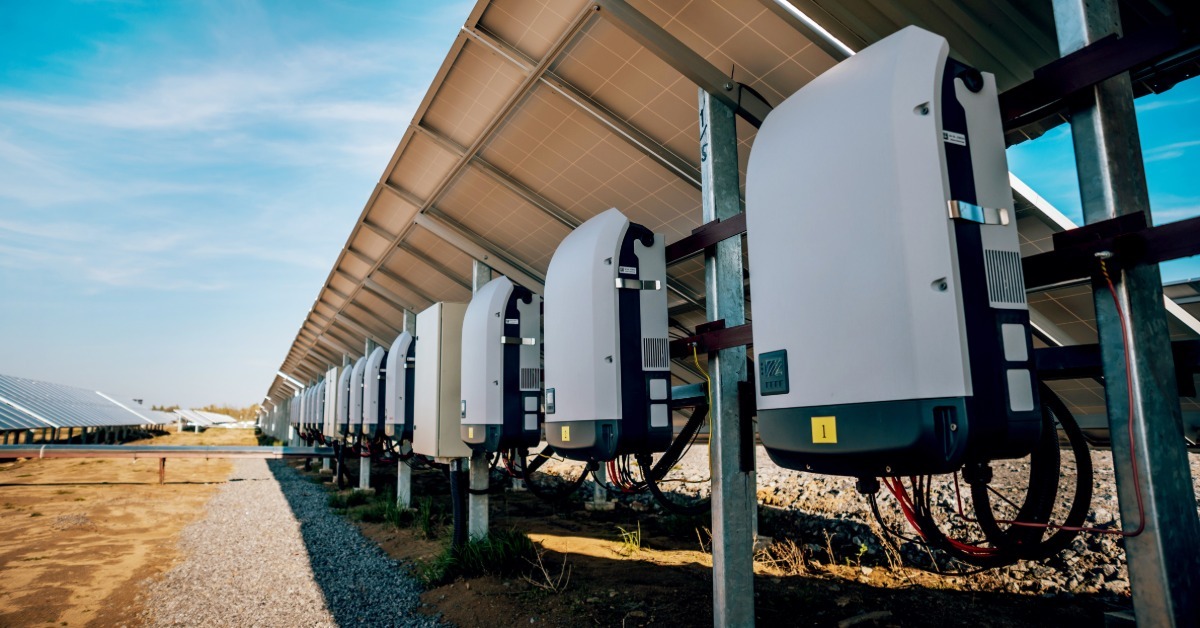
Utility-scale solar farms operate with far more equipment complexity than smaller rooftop installations. The 2026 NEC updates encourage stronger identification practices across these large operational environments because emergency crews and maintenance teams require clear guidance during service events. Professionally manufactured solar placards help operators maintain consistency across every section of a large solar energy facility.
Best Practices for Staying Ahead of NEC Compliance Changes
Successful contractors treat NEC compliance as an ongoing operational process instead of a last-minute inspection task. Project teams should review updated code language during early engineering phases and coordinate labeling requirements before procurement deadlines approach.
Contractors also benefit from working with experienced solar placard suppliers who understand commercial photovoltaic systems, local code trends, and utility-scale installation demands. A proactive strategy reduces field confusion and strengthens overall project execution.
Choosing the Right Solar Placard Supplier for Commercial Projects
Commercial solar contractors need more than basic label printing when they manage large-scale photovoltaic installations. Reliable suppliers provide durable materials, accurate NEC-compliant formatting, and support for custom engraved solutions across complex project scopes.
Strong inventory management and responsive customer service also help contractors keep construction schedules on track during high-volume procurement cycles. Experienced solar labeling providers understand how compliance requirements affect real-world project timelines and long-term system operations.
Prepare Your Solar Project for 2026 NEC Compliance
The 2026 NEC updates create new expectations for consistent compliance across commercial solar labeling practices. Contractors who invest in compliant solar placards now can reduce inspection risks while improving long-term operational safety on solar farms and large photovoltaic systems.
Durable custom labels enable smoother project execution by helping crews, inspectors, and emergency responders quickly and accurately identify critical equipment. Get Solar Labels helps commercial solar teams secure solar placards and NEC-compliant labeling solutions that support fast-moving projects across the country.
Teams that prioritize professional labeling strategies today position themselves for smoother approvals and stronger long-term project performance under the 2026 NEC standards.