
Feb 12th 2026
Weatherproofing Tips to Extend the Life of Solar Panels
The rapid expansion of solar infrastructure across diverse climates poses a critical challenge: durability. As large-scale solar businesses look to enter new territories—from the humid coasts of Southeast Asia to the arid deserts of the American Southwest—understanding how environmental factors degrade photovoltaic (PV) assets is essential.
For executives driving market expansion, weatherproofing isn't just a technical maintenance issue; it is a strategic imperative. Following basic weatherproofing tips to extend your solar panel’s lifespan protects capital investment, ensures consistent energy yield, and maintains the bankability of projects in volatile climates.
The Financial Impact of Environmental Degradation
Before diving into mitigation strategies, it is vital to quantify the risk. Environmental degradation is a leading cause of premature PV failure.
When harsh elements hit your solar panels without adequate protection, two primary issues arise. First, you face Potential Induced Degradation (PID). This issue occurs when High voltage, heat, and humidity cause the ions to migrate from the glass to the solar cell, significantly reducing power output.
Your next issue is corrosion and delamination. Moisture ingress can corrode internal connections and cause the encapsulant to separate from the glass or backsheet, leading to total module failure.
For a utility-scale project, a 1% increase in annual degradation due to poor weatherproofing can translate to millions in lost revenue over a 25-year Power Purchase Agreement (PPA). Therefore, integrating robust weatherproofing into your procurement and O&M (Operations and Maintenance) strategies is crucial for sustaining revenue growth.
1. Advanced Sealants and Edge Protection
The most common entry point for moisture is the module edge. Standard edge seals may degrade over time, especially in markets with high UV exposure or extreme thermal cycling.
Selecting the Right Encapsulant
To mitigate risks effectively, prioritize modules with advanced encapsulants, such as POE (Polyolefin Elastomer), over standard EVA (Ethylene Vinyl Acetate) for projects in high-humidity zones. POE offers superior resistance to water vapor transmission and potential induced degradation.
Retrofitting Edge Seals
For existing assets showing signs of wear, applying aftermarket edge sealants can provide a secondary barrier against moisture. This is particularly relevant for older assets in your portfolio or for distressed assets acquired in a new market.
2. Mitigating Wind Load and Microcracking
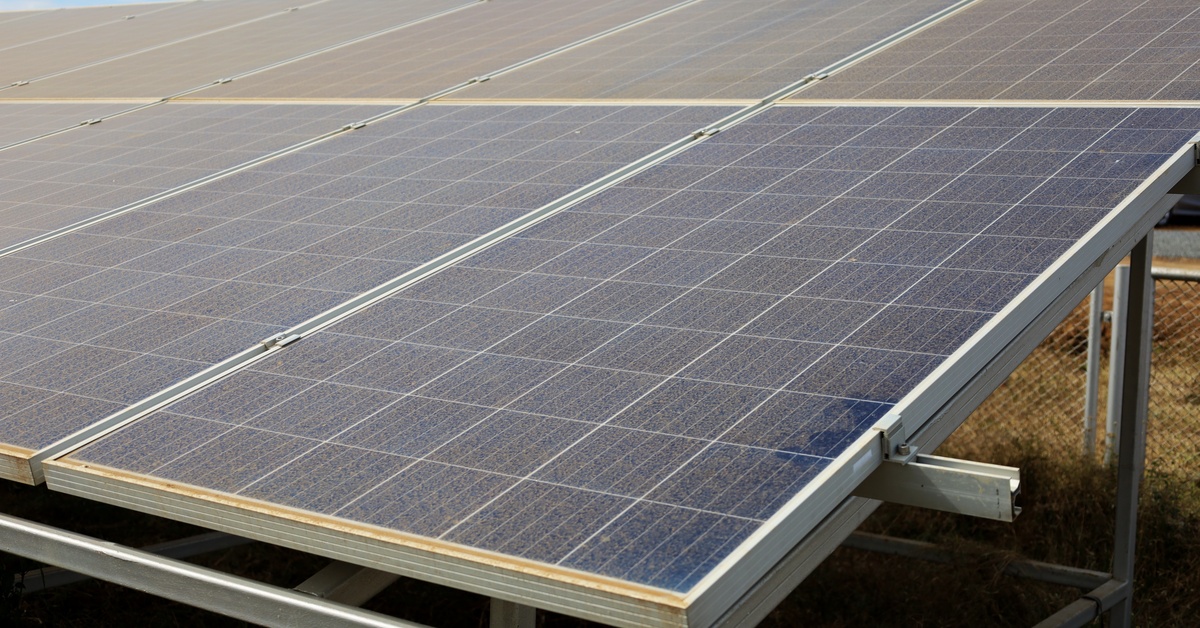
Expansion into coastal or storm-prone regions requires a re-evaluation of structural integrity. High winds don't just threaten to rip panels off racking; the mechanical stress causes microcracks in the silicon cells. These invisible cracks expand over time, severing electrical continuity.
To weatherproof against wind:
- Dynamic Load Testing: Ensure your procurement standards require dynamic mechanical load testing (DMLT) that simulates wind gusts, rather than just static load testing.
- Damping Systems: Invest in racking systems with advanced damping technology to absorb vibration and reduce the stress transferred to the module.
- Bolt Torquing Protocols: Implement strict O&M schedules for checking torque settings on clamps and bolts, as thermal cycling can loosen these over time, leaving panels vulnerable to wind vibration.
3. Managing Thermal Cycling and Soldering Fatigue
In desert environments, the temperature swing between day and night can be extreme (often exceeding 40°C or 104°F). This constant expansion and contraction puts immense stress on the interconnect ribbons (the wires connecting solar cells).
The Role of Multi-Busbar Technology
When sourcing technology for high-heat markets, lean toward Multi-Busbar (MBB) or Shingled cell interconnects. These technologies distribute stress more evenly than standard ribbon designs, reducing the likelihood of soldering fatigue and hot spots.
Proper Wire Management
Weatherproofing extends beyond the panel. Poor wire management leaves cables exposed to direct sunlight and heat radiating from the ground. UV-resistant cable ties and enclosed cable trays are non-negotiable for long-term reliability. Ensure your EPC (Engineering, Procurement, and Construction) partners adhere to strict wire management codes to prevent insulation breakdown and ground faults.
4. Protection Against Salt Mist Corrosion
Entering island nations or coastal markets offers lucrative opportunities but exposes assets to salt mist. Salt is highly corrosive to aluminum frames, racking, and electrical connectors.
To ensure sustainable expansion in these zones, all modules must pass the IEC 61701 salt mist corrosion test at Severity Level 6 (the highest standard). You should also consider using sacrificial anodes on steel racking structures. These components corrode intentionally to protect the structural steel from rust.
Apply anti-soiling and hydrophobic coatings to the glass surface. This not only prevents salt buildup (which blocks light) but also repels water, reducing the time moisture sits on the frame seals.
5. Harnessing Data for Predictive Weatherproofing
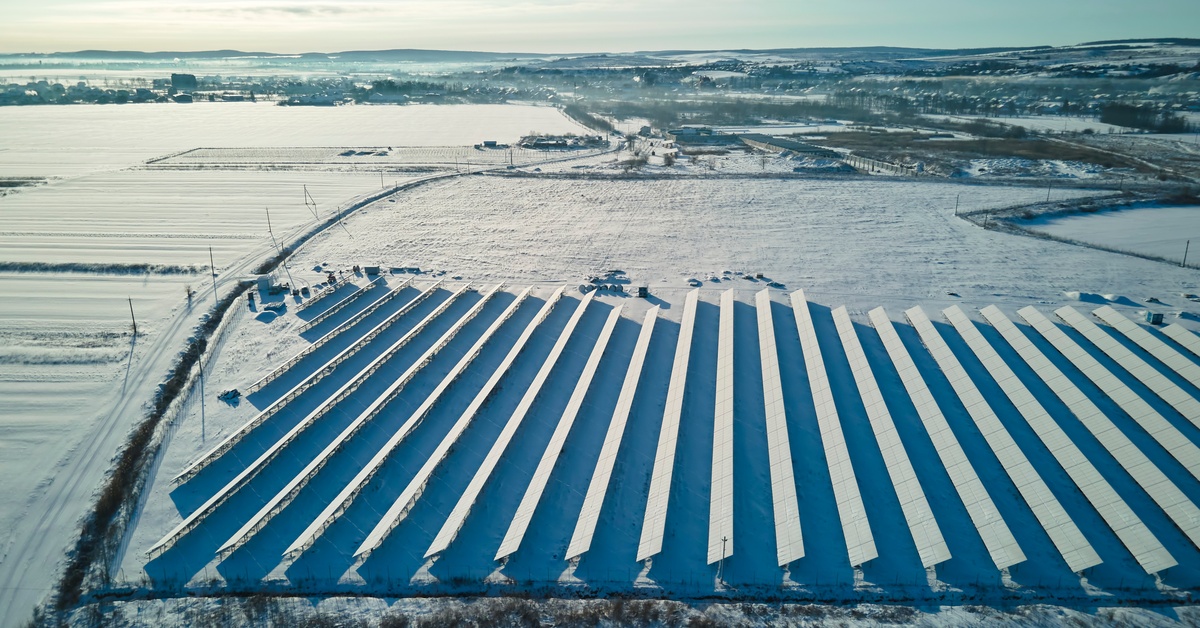
The future of weatherproofing is digital. Reactive maintenance is costly and inefficient. By leveraging climate data and performance analytics, you can predict weathering impacts before they lead to failure.
Environmental Sensing
Deploy on-site meteorological stations that measure not just irradiance, but also humidity, wind speed, and ambient temperature. Correlating this data with inverter performance allows your team to spot early signs of degradation.
Digital Twins
Create a "digital twin" of your solar asset. By inputting local climate data into a digital model, you can simulate how specific weather events will impact the physical components over time. This empowers growth strategies by enabling you to accurately forecast the OpEx (Operating Expenses) adjustments required for specific climatic zones.
Developing a Climate-Specific O&M Strategy
Weatherproofing is not a one-time event; it is an ongoing process. As you diversify into new global markets, a "one-size-fits-all" maintenance strategy will fail.
- For Tropical Markets: Focus on humidity sensors, frequent vegetation management (to reduce localized humidity), and anti-fungal treatments for backsheets.
- For Arid/Desert Markets: Prioritize thermal imaging inspections to catch hot spots caused by soldering fatigue and implement robotic cleaning to manage soiling without water waste.
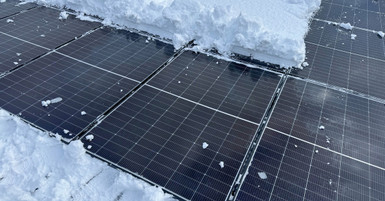
- For Cold/Snowy Markets: Ensure frame strength can handle static snow loads and manage ice damming that can compromise lower frame seals.
Empower Your Market Expansion
Weatherproofing your solar panels is the shield that protects your ROI. Ensuring your assets are resilient against the elements allows you to focus on what matters most: securing market share and driving the global transition to clean energy.
An often-overlooked yet vital aspect of this process is the use of durable, high-quality solar labels to guarantee compliance, safety, and operational clarity. Exposure to harsh weather conditions, such as UV radiation, extreme temperatures, and moisture, can compromise the visibility and functionality of these labels, posing risks and inefficiencies.
That’s why Get Solar Labels offers reliable, weather-resistant labeling options designed specifically for large-scale solar installations. Our products ensure durability, clear identification, and regulatory compliance, helping safeguard your investment in rapidly changing environments. Browse our catalog of labels and placards to find the best option for your solar project.