

Mar 18th 2026
The Future of Solar Labeling: From Engraving to Smart Tags
Clear system labeling remains essential for safety, compliance, and efficient maintenance. Inspectors, electricians, and emergency responders rely on labels to quickly identify system components and potential hazards.
Solar installations continue to grow in commercial markets, providing clean energy and durability to clients, but how have they changed over time? Well, solar panels and how they are labeled have improved as new technology becomes available. The future of solar labeling now combines durable engraving with emerging digital smart tags that enhance system visibility and information access.
Modern solar projects demand labels that withstand harsh outdoor conditions and remain legible for decades, a need that new technology has helped meet. These innovations point toward a future in which physical labeling and smart data systems work together to support safer, more efficient solar infrastructure.
Why Solar Labeling Remains Critical for System Safety
Solar labeling serves as a communication tool that protects installers, maintenance technicians, inspectors, and first responders. Every solar system contains high-voltage components that require clear identification and proper warning signage. Electrical codes also require specific labeling locations and wording to ensure safe system operation. Clear labels reduce confusion and prevent mistakes during installation, servicing, or emergency response.
Large-scale solar projects rely on consistent labeling to maintain organization across thousands of components. Technicians must quickly locate disconnects, inverters, combiner boxes, and battery storage systems. Proper labels guide troubleshooting and reduce downtime during maintenance procedures. Reliable labeling, therefore, strengthens both safety standards and operational efficiency.
The Role of Engraved Labels in Solar Installations
Engraved solar placards have long served as the industry standard. These labels provide clear, permanent markings that remain readable even after years of sun exposure, temperature fluctuations, and severe weather. Engraving removes material from the label surface to create durable text that resists fading or peeling. Installers rely on engraved labels because they maintain compliance with electrical codes and inspection requirements.
Durability remains the most important advantage of engraved labeling. Outdoor solar systems face constant exposure to UV light, moisture, dust, and physical wear. Engraved materials withstand these conditions while preserving legibility for decades. This durability helps solar projects maintain safety compliance throughout the entire system lifespan.
Large solar facilities also benefit from the consistency and professional appearance of engraved placards. Standardized labels help technicians recognize system components quickly across multiple installations. Professional labeling also demonstrates attention to safety and regulatory compliance during inspections. These factors explain why engraved labeling continues to underpin solar system identification.
How Technology Is Transforming Solar Identification
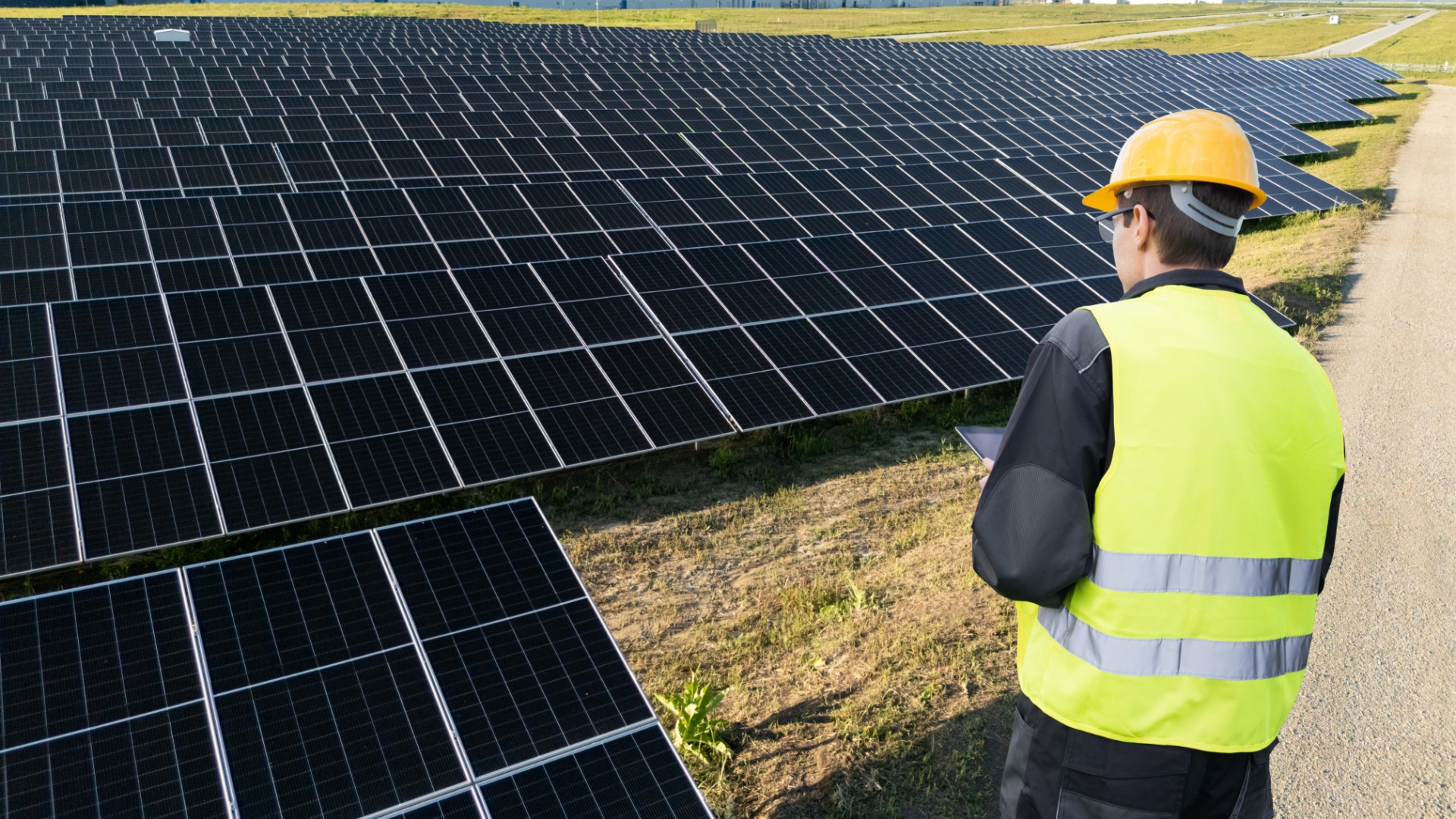
Digital technologies now reshape how industries track assets and access technical information. Solar energy infrastructure increasingly adopts these tools to improve operational efficiency. Digital identification systems allow technicians to retrieve system data instantly using smartphones or tablets. These systems create opportunities to store detailed technical information directly within a label.
Smart labeling technologies integrate digital links that connect physical equipment with cloud-based data systems. A technician can scan a tag and immediately view wiring diagrams, maintenance records, or system specifications. This level of access reduces troubleshooting time and supports faster maintenance procedures. Solar operators can also update digital information without replacing physical labels.
Technology also supports asset tracking across large solar facilities. Utility-scale projects may contain thousands of components that require monitoring and maintenance. Digital labeling systems help teams locate equipment quickly and verify system configuration. These capabilities improve project management and reduce operational delays.
The Rise of Smart Labeling Solutions
Smart labeling introduces a new generation of identification systems for solar installations. These solutions often include QR codes, NFC chips, or digital identification tags embedded within the label design. A technician scans the label with a mobile device and receives immediate access to equipment details. This process reduces manual searching through documentation or maintenance logs.
The transition toward smart labeling supports modern solar operations that depend on digital data management. Solar developers and asset managers now track system performance, maintenance schedules, and component history through centralized platforms. Smart labeling connects physical equipment to those digital systems. This connection creates a more organized and efficient workflow for maintenance teams.
Many solar developers also recognize the long-term value of accessible system documentation. Over the lifespan of a solar project, equipment may change hands between contractors, operators, and maintenance providers. Smart labels provide a consistent reference point that links every component to its digital record.
Balancing Durability with Digital Innovation
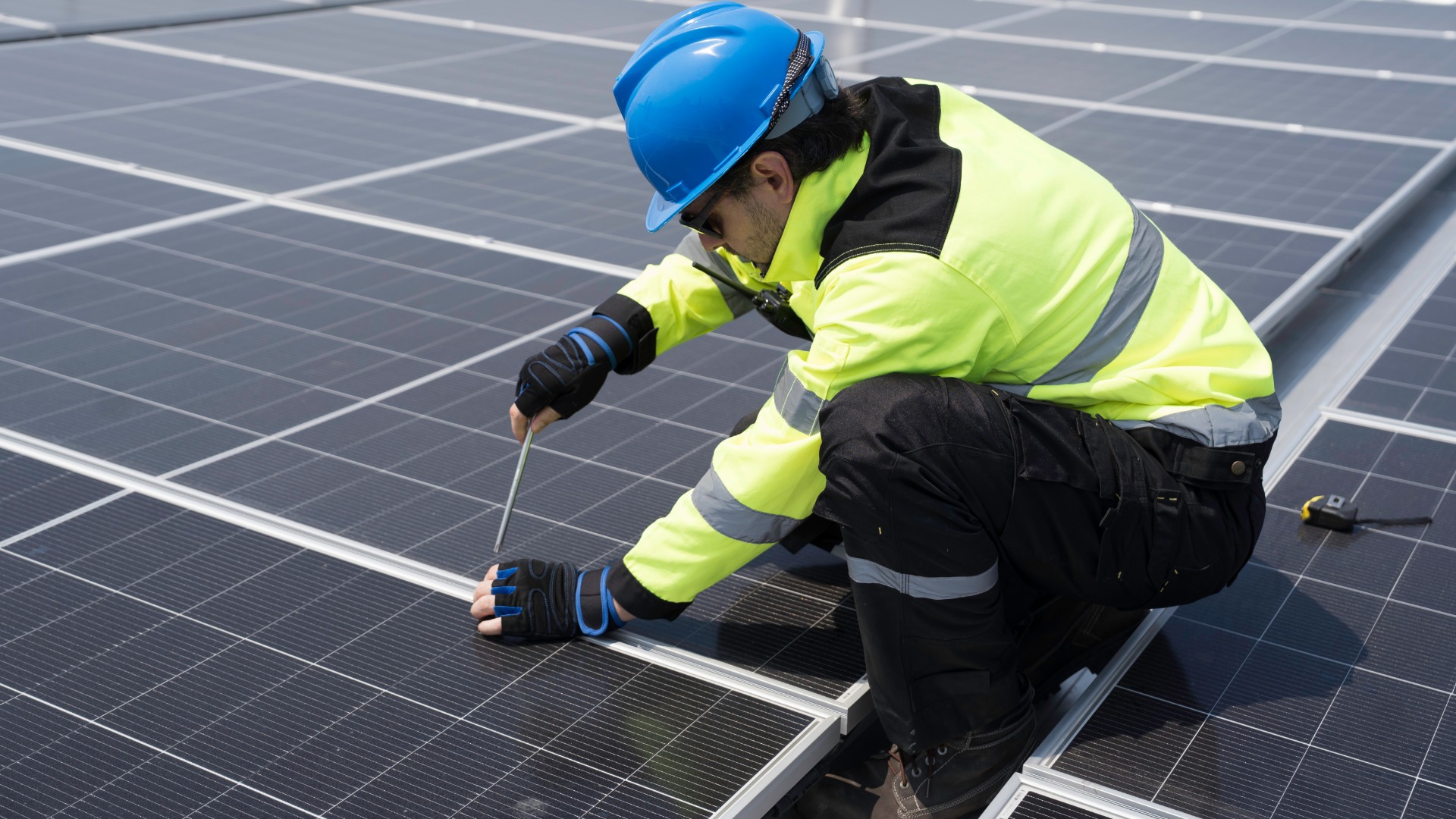
Despite the rise of digital technologies, physical durability remains essential for solar labeling. Outdoor installations expose labels to extreme temperatures, sunlight, wind, and moisture for decades. Any labeling solution must withstand these conditions without losing readability or structural integrity. Durable materials remain a core requirement for all solar labeling systems.
The industry now focuses on combining long-lasting materials with digital functionality. Durable engraved placards can incorporate digital identifiers such as QR codes or embedded chips. This approach preserves physical reliability while adding advanced capabilities for accessing information. Solar developers can therefore benefit from both durability and digital integration.
Installers also appreciate labeling systems that maintain compliance with electrical code requirements. Inspection authorities still rely on clearly visible warning labels and equipment identifiers. Smart technologies must support these standards rather than replace them. A balanced approach ensures that innovation strengthens safety without compromising regulatory compliance.
Choosing the Right Labeling Strategy for Modern Solar Projects
Solar developers and contractors must evaluate labeling solutions based on durability, compliance, and operational efficiency. Engraved labels continue to provide reliable identification for critical system components. Smart labeling technologies offer additional benefits for documentation management and equipment tracking. The most effective strategy often combines these approaches.
Project size and complexity often determine the level of digital integration required. Smaller installations may rely primarily on traditional labeling methods. Utility-scale projects may benefit more from digital asset tracking and smart label systems. Developers must consider long-term maintenance needs when selecting labeling technologies.
Proper labeling also supports faster inspections and smoother project approvals. Inspectors expect clear system identification that meets electrical code requirements. Durable labels reduce the likelihood of inspection delays or required corrections.
Innovation Built on Proven Reliability
The future of solar labeling continues to evolve as the renewable energy industry grows more complex and technologically advanced. At the same time, smart labeling technologies introduce new opportunities for digital connectivity and improved system management. The future of solar labeling will likely combine these strengths to create safer and more efficient installations.
Looking for high-quality solar tags and labels? Get Solar Labels provides high-quality solar system labels and placards designed for durability, compliance, and professional installation standards. With our fast delivery, customization options, and industry expertise, solar contractors can complete installations with confidence.
Companies seeking reliable solar labeling solutions can contact Get Solar Labels to ensure their projects meet safety standards and inspection requirements.