
Mar 5th 2026
Color Coding Solar Labels for Faster Identification
Color-coding solar labels for faster identification improves safety, efficiency, and compliance across every project size. Installers, inspectors, and maintenance teams rely on immediate visual cues when they approach energized equipment.
Clear color distinctions reduce hesitation and prevent costly mistakes during system service. Large-scale solar projects demand this clarity because teams often manage thousands of components across wide footprints.
Solar sites include complex electrical pathways, disconnects, inverters, combiner boxes, and rapid shutdown systems. Each component requires precise identification to prevent confusion. When teams use consistent color standards, they streamline communication across contractors and jurisdictions.
The Role of Visual Hierarchy in Solar Safety
Visual hierarchy organizes information in a way that the eye processes quickly. Color creates instant separation between warning levels, equipment types, and voltage classifications. Crews identify hazards in seconds instead of reading entire blocks of text. Faster recognition directly supports safer behavior on active job sites.
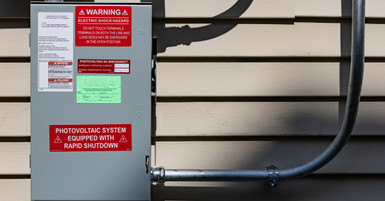
Red often signals danger or high-voltage risk, while yellow highlights caution areas. White, orange, and reflective backgrounds often serve specific compliance needs depending on the code requirement. Teams that apply color hierarchy correctly reduce the chance of misidentification during maintenance or emergency response. This clarity becomes even more critical on commercial and utility-scale installations.
Code Compliance and Color Requirements
Electrical codes and local authorities dictate specific color and formatting standards for solar labeling. Installers must follow National Electrical Code (NEC) requirements and any local amendments. Inspectors expect clear, durable, and properly formatted labels before they approve a system. Color coding plays a key role in meeting those expectations.
For example, rapid shutdown labels typically require distinct formatting and color contrast for visibility. Warning labels must remain legible in sunlight and under harsh weather conditions. Projects that ignore color requirements risk inspection delays and costly rework. Proper planning eliminates those setbacks from the start.
Faster Identification During Maintenance and Emergencies
Maintenance crews often service multiple systems in one day. Clear color coding allows them to identify system components quickly without tracing every conductor. Time savings add up significantly on commercial rooftops and solar farms. Faster identification reduces downtime and protects productivity.
Emergency responders also rely on visual clarity. Fire departments look for rapid shutdown instructions and power source indicators immediately upon arrival. Color-coded labels guide responders to critical disconnect points without confusion. This level of clarity supports both safety and liability reduction.

Improving Workflow on Large-Scale Solar Projects
Large-scale projects involve electricians, project managers, inspectors, and operations teams. Each group interacts with labeling at different stages of the system lifecycle. Consistent color coding improves communication across all teams. Everyone understands the system layout faster when labels follow a predictable structure.
Color organization also simplifies training for new technicians. Supervisors can explain labeling systems more efficiently when colors align with equipment functions. Teams reduce onboarding time and minimize errors. Projects maintain momentum when labeling supports operational clarity.
Best Practices for Effective Color Coding
Effective color coding requires planning, standardization, and durable materials. Project managers should define a labeling strategy before installation begins. That strategy should align with NEC requirements and any site-specific guidelines. Consistency across all arrays and equipment remains essential.
Follow these best practices for optimal results:
- Use high-contrast color combinations for maximum legibility
- Standardize color meanings across the entire project
- Select UV-resistant and weatherproof materials
- Ensure text size meets code visibility standards
- Confirm adhesive strength for long-term durability
These practices create labels that remain clear for years under sun, wind, and moisture exposure. Long-lasting visibility protects compliance and performance.
Material Durability and Long-Term Visibility
Solar installations face extreme environmental conditions. Labels must withstand UV exposure, temperature fluctuations, moisture, and abrasion. Color fading undermines identification speed and compliance reliability. Durable materials preserve both text clarity and color integrity.
High-quality engraved placards and industrial-grade adhesives maintain their appearance over time. Laminated and UV-stable substrates protect pigments from fading. Projects that invest in durable labeling reduce replacement costs and prevent safety risks. Long-term performance matters just as much as initial visibility.
Customization for Commercial and Utility-Scale Needs
Commercial and utility-scale projects often require custom labeling solutions. Engineers may specify unique voltage ratings, disconnect configurations, or equipment groupings. Color coding must adapt to those project-specific requirements while remaining compliant. Custom solutions allow teams to maintain both clarity and regulatory alignment.
Large orders also demand consistency across thousands of labels. Even minor color variations can create confusion in the field. Professional production ensures uniform color matching and precise formatting. That level of quality control supports operational excellence.
Installers frequently rely on solar PV labels to communicate essential system information clearly and efficiently. Precision in color selection strengthens that communication. Projects that prioritize accurate production standards avoid costly reorders and delays.

Reducing Inspection Delays with Proper Labeling
Inspection delays often occur when labels fail to meet visibility or formatting standards. Inspectors evaluate color contrast, placement, wording, and durability. Missing or incorrectly colored labels can halt approval immediately. Proper color coding prevents these setbacks.
Project managers should review labeling requirements early in the planning phase. Ordering compliant labels before installation eliminates last-minute scrambling. When inspectors see clear, professional labeling, they move through approvals more efficiently. Faster approvals keep project timelines intact.
Supporting Brand Professionalism Through Organized Labeling
Color-coded labeling also influences how clients perceive a solar installation. Clean, organized labeling reflects professionalism and attention to detail. Commercial property owners appreciate systems that look structured and compliant. A consistent color strategy contributes to that polished appearance.
Developers and EPC contractors often compete for repeat business. Well-executed labeling demonstrates operational discipline. Clients associate visual clarity with quality workmanship. That perception strengthens long-term partnerships.
How Get Solar Labels Supports Faster Identification
Get Solar Labels specializes in high-quality solar system labels and placards designed for both inspection compliance and large-scale commercial projects. We serve clients nationally and fulfill both small and high-volume custom orders.
With fast deliveries, a strong inventory, and industry expertise, we can help you stay on schedule. Our clear, durable labeling solutions solve the need for professional identification that supports regulatory approval and operational safety.
Customers can order custom color-coded labels that align with NEC standards and project-specific requirements. Our durable materials ensure long-term visibility under demanding environmental conditions. Contact us today to find the best
Build Safer, Faster, and More Organized Solar Projects
Color-coding solar labels for faster identification enhances safety, improves workflow, and ensures compliance across all installation types. Large-scale solar projects demand precision at every stage, including labeling. Contractors who prioritize structured color strategies position their projects for smoother inspections and safer maintenance.
Get Solar Labels provides high-quality, durable, and customizable solar labeling solutions that support faster identification and inspection success. Contractors and project managers can rely on our expert production standards, quick turnaround times, and nationwide shipping.
If your team needs compliant, color-coded labeling for commercial or utility-scale projects, contact Get Solar Labels to streamline ordering and ensure professional results.